Best time to visit A Hyde Away Inn B&B — month-by-month
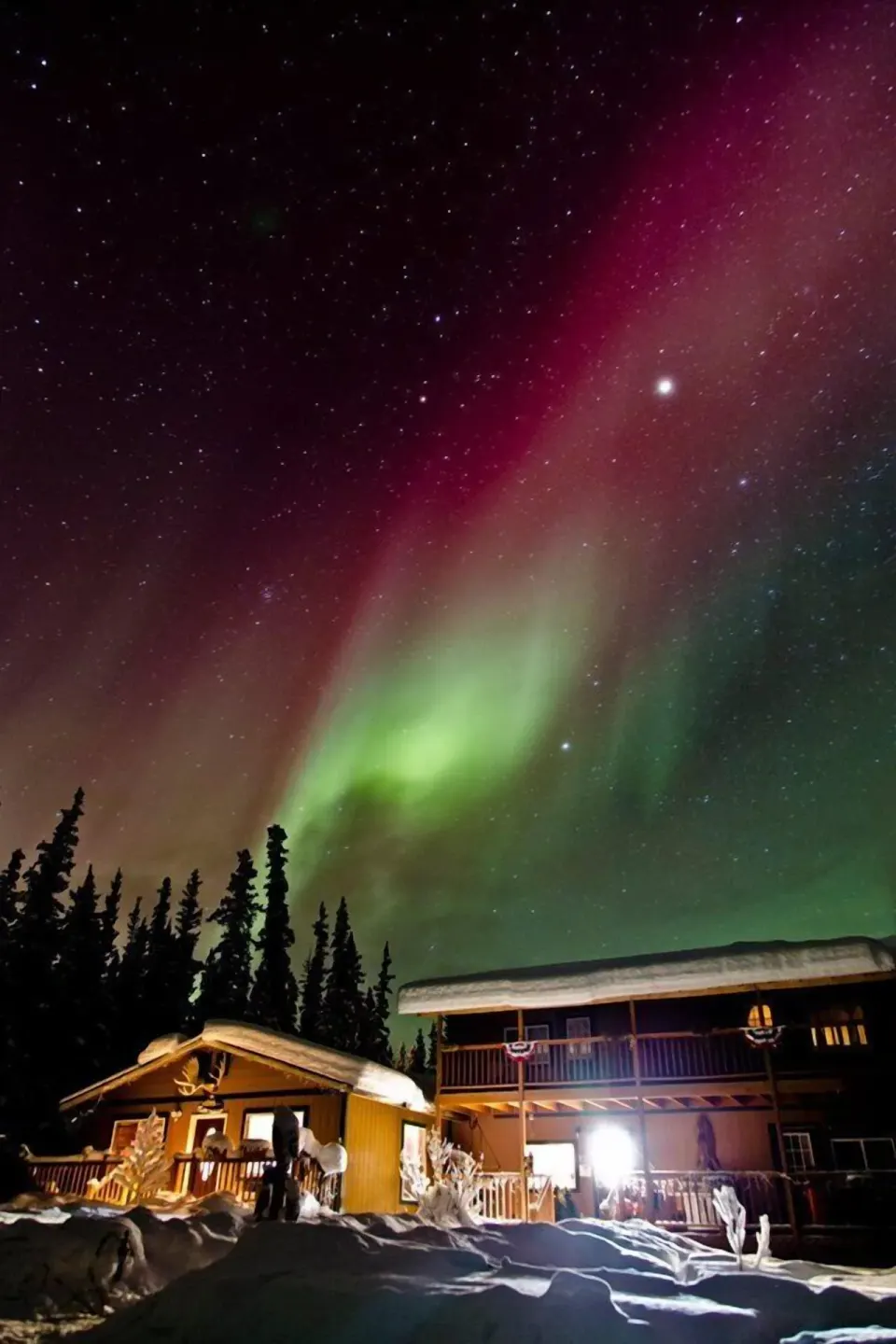
The best time to visit A Hyde Away Inn B&B for warm-weather sightseeing and nearby attractions is late June through August, with July the warmest and busiest month. If you want aurora viewing and winter scenery, late winter to early spring offers darker, clearer skies for northern lights, but expect very cold temperatures and snow.
In this guide
January–February: Deep winter and aurora potential
Tok experiences severe, frigid winters; January is the coldest month and temperatures can drop well below zero. Expect snow cover and very short daylight hours.
Late winter and early spring are often the best time locally for aurora viewing because skies can be dark and clear. If you plan a northern-lights trip, prepare for extreme cold and limited services in town.
- Very cold; severe subarctic winter conditions
- Good aurora viewing potential on clear nights
- Some seasonal attractions and services may be closed or limited
| What to expect | Planning tip |
|---|---|
| Short daylight, heavy cold | Bring layered cold-weather gear and plan short outdoor stints |
| Good aurora chances | Check local sky forecasts and ask the inn about dark-sky spots |
| Limited tourist services | Confirm activity availability ahead of arrival |
March–April: Transition to longer days
Days lengthen in March and April and snow may still be on the ground; temperatures remain cold compared with summer. Roads are generally passable but still wintry in places.
This can be a quieter, lower-traffic time to visit if you want winter scenery without the coldest months, but expect reduced hours for some summer-only attractions and services.
- Increasing daylight but still cold
- Some aurora opportunities remain early in the period
- Check schedules for activities that open in late spring
| Activity | Availability |
|---|---|
| Mukluk Land | Closed until its summer season (opens June 1) |
| Local shops and tours | Limited; confirm hours ahead |
| Road trips toward Wrangell–St. Elias | Possible, but check conditions and closures |
May–June: Shoulder season — spring thaw and easier travel
From mid-May into June, Tok warms enough that the warm season (days with highs above about 55°F) begins; by late May travel and outdoor access improve. Snow typically ends in April, so May is a good shoulder month for fewer crowds.
Mukluk Land and many summer services prepare to open in June, and wildlife viewing opportunities improve as habitats become active. This is a practical time to combine scenic drives with quieter lodging options at the inn.
- Warmer days returning; long daylight hours
- Fewer tourists than peak summer
- Good time for scenic drives and early-season wildlife viewing
| Why visit now | Practical note |
|---|---|
| Warmer, clearer days returning | Bring layers; mornings can still be cool |
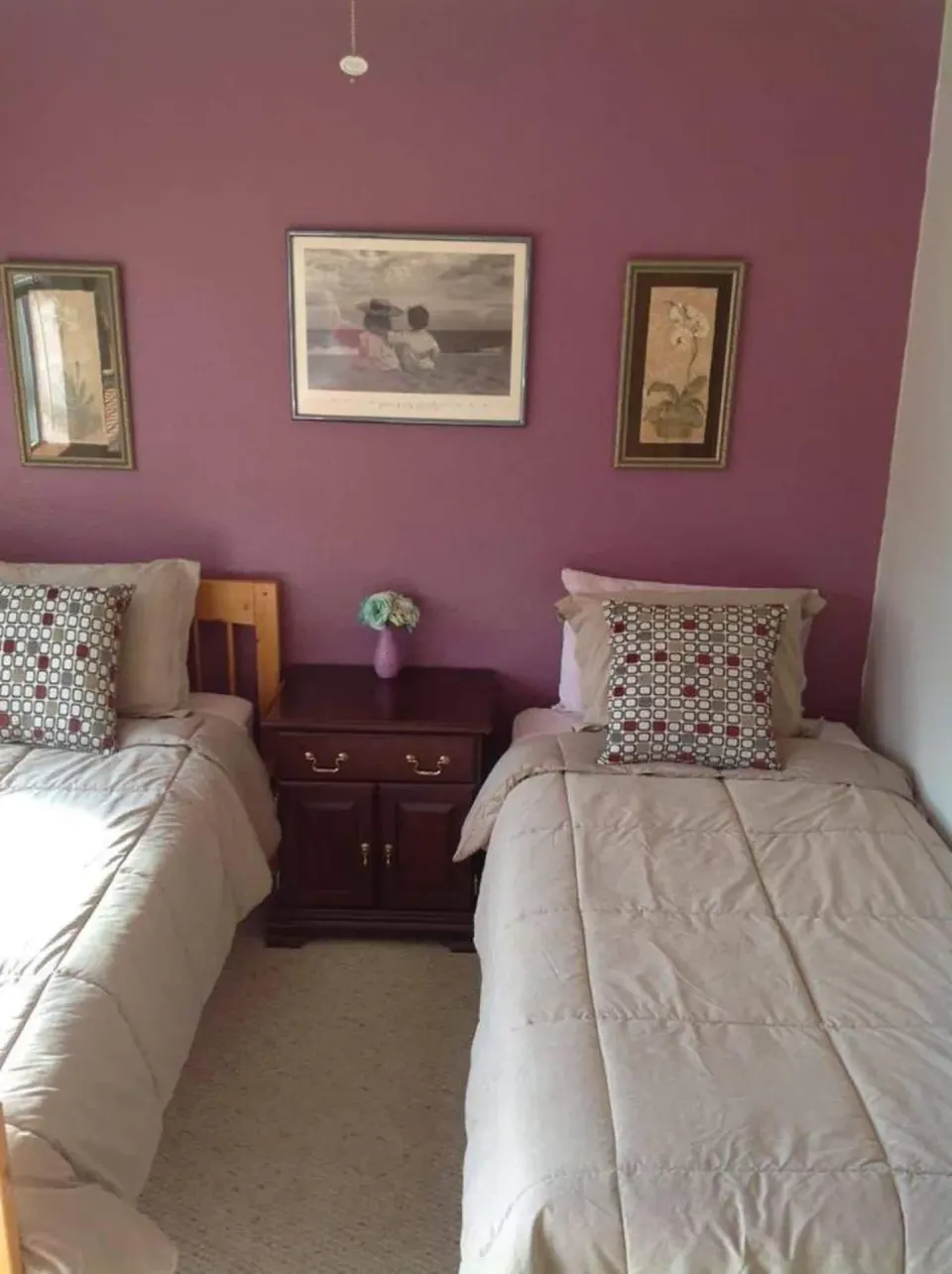
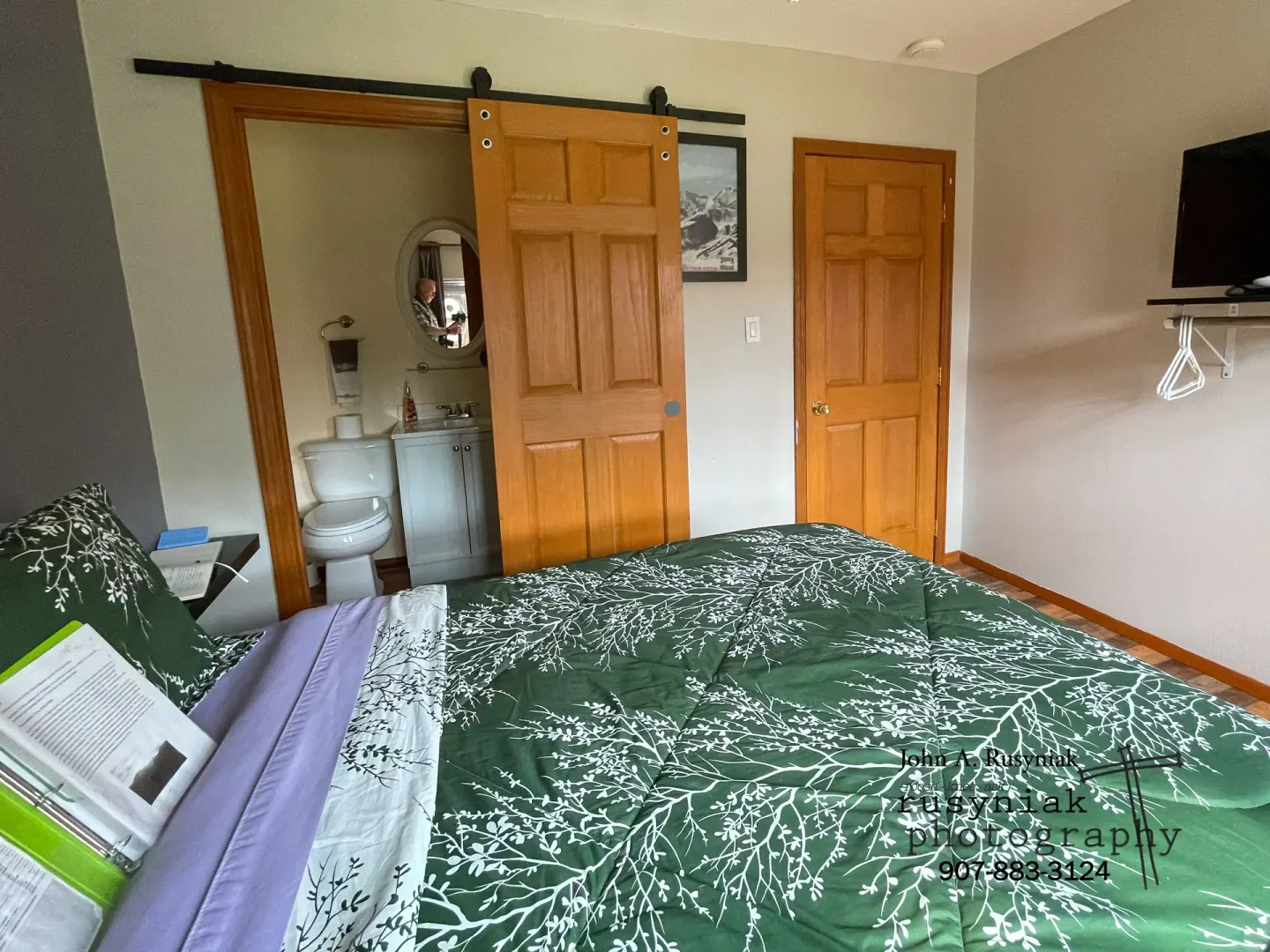
| Fewer crowds than July | Rooms like Mooseberry Room and Snowberry Room may be easier to book |
| Access improving for day trips | Confirm any tour or plane schedules in advance |

July–August: Peak summer — best overall for sightseeing
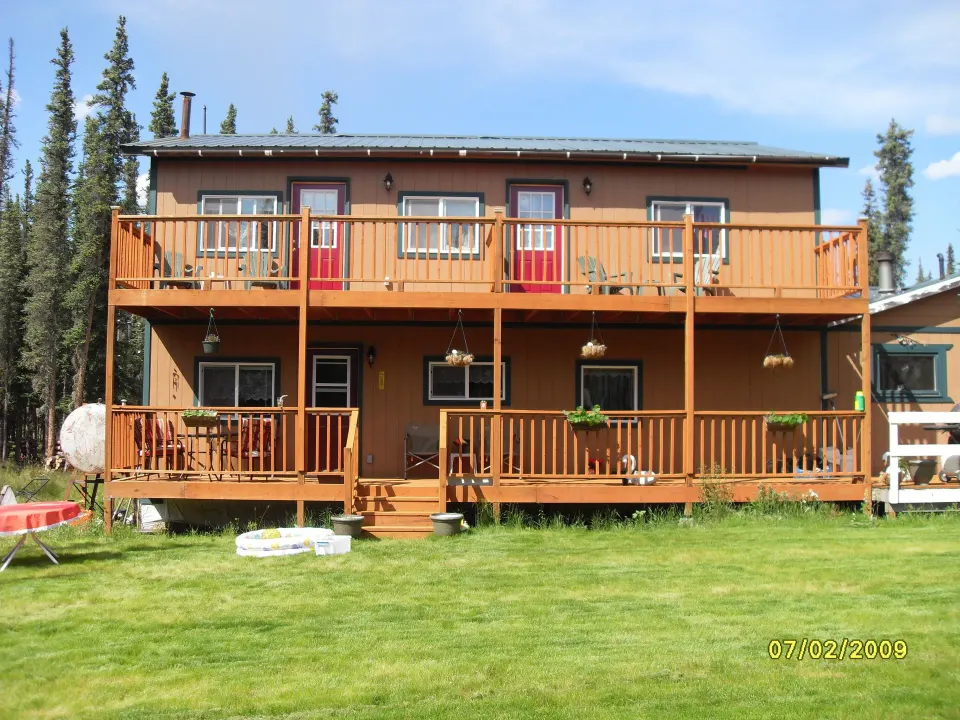
June through August are Tok's most pleasant months for general outdoor tourism, with July the warmest month (average highs around 70–73°F and lows near 45°F). This is the busiest period for local attractions and for driving the Alaska Highway.
Mukluk Land operates in summer (June 1–August 20), and many tours, flightseeing operators, and seasonal services run during this time. Expect more frequent light rain or drizzle in summer than other seasons, so pack a light rain layer.
- Warmest, longest days — best for road trips and hiking
- Full range of local attractions and tours operate
- July is the busiest month; plan and reserve ahead
| Top summer outings | Why go |
|---|---|
| Mukluk Land (walkable from the inn) | Family-friendly oddities, mini-golf, gold panning; open summer only |
| Day trips to Wrangell–St. Elias | Better road and flightseeing conditions |
| Wildlife viewing in Tetlin Refuge | Active bird migration and visible large mammals |
September–October: Autumn colors and quieter roads
September and October bring fall colors, shorter days and a noticeable drop in temperature; snow typically returns by October or November. This shoulder season offers quieter roads and lower demand for rooms.
If you prefer fewer people and want to see autumn wildlife activity, this period is a good option. Some summer-only services begin to wind down, so check attraction and business hours before you travel.
- Cooler weather and possible first snow by October
- Fewer tourists; easier lodging availability
- Good for photographers and wildlife watchers
| Considerations | Action |
|---|---|
| Shorter daylight | Plan daytime excursions carefully |
| Some businesses closing for season | Call tours and restaurants ahead |
| Potential for aurora as nights darken | Check local forecasts and stay flexible |
November–December: Early winter and holiday quiet
Snow returns and temperatures fall as Tok moves into full winter; services and attractions are generally quieter. Travel is possible but expect winter driving conditions and limited local hours for many businesses.
This is a low-traffic time if you want solitude and winter scenery, and it can still offer aurora viewing when skies are clear. Confirm your plans with the inn in advance, since front desk hours are limited and arrival instructions are required.
- Winter conditions set in; prepare for snow and ice
- Ideal for quiet stays and winter photography
- Contact the property before arrival for check-in instructions
| Service note | What to check |
|---|---|
| Front desk limited hours | Call ahead for access code and arrival window |
| Parking available onsite | Free self-parking; cold-weather plug-in available for a nightly fee |
| Pets allowed | Pet fees commonly apply; pets may not be left unattended |